
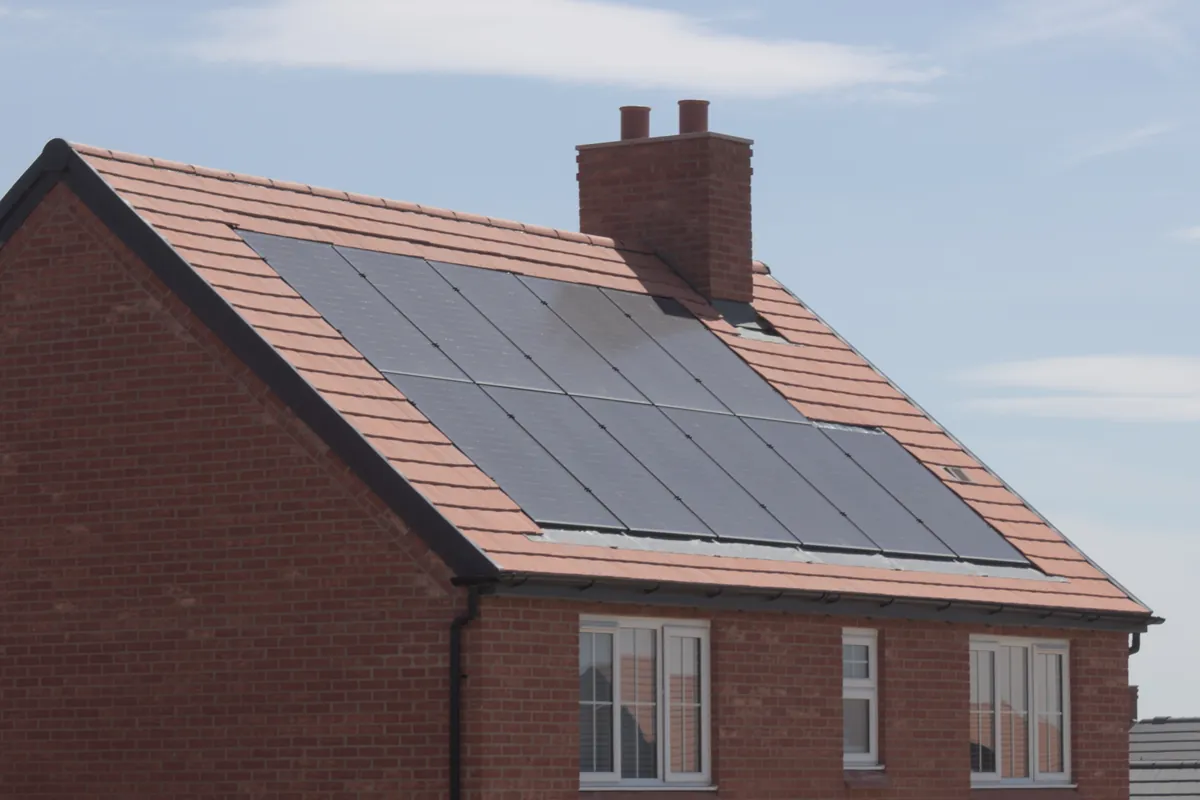
The unused chimney: stop the draught, keep the choice
An unused chimney is a hole in your roof. The short answer first, then the Engineer's working.
- How much heat goes up an unused chimney?
- What are the two fixes?
- What must I never do?
- Which one suits my house?
Sources checked 18 November 2026. Listed at the bottom of the page.
How much heat goes up an unused chimney?
A chimney is built to pull air up and out. It carries on doing that whether there is a fire in the grate or not, and in winter the air it pulls is the air you have just paid to heat.
The figure is the Trust's own "could save" estimate. The page does not say which house or which prices it is based on.
What are the two fixes?
A chimney draught excluder is fitted inside the chimney or around the fireplace. Many can be taken out again, so the fire still works when you want it.
A chimney cap sits over the pot and is normally terracotta. As well as the draught it keeps out rain and birds. The Energy Saving Trust says prices start at around £150.
A cap means working at the top of the stack. That is a job for someone with the right access equipment and the right PPE, not a ladder on a Saturday morning.
What must I never do?
The Energy Saving Trust says an excluder should not fully block the chimney, and that you must remove the draught-proofing before lighting a fire.
A room with an open fire or an open flue needs its air. The Trust lists the gaps into those rooms among the things not to block.
The reason is carbon monoxide. HSE says it is produced by the incomplete burning of carbon-based fuels, including gas, oil, wood and coal, and that solid-fuel appliances should be serviced by a competent person and chimneys swept regularly.
A simple habit that helps: leave a tag hanging in the fireplace so nobody in the house lights it without looking.
Which one suits my house?
Stop the draught, keep the choice. An excluder costs little and comes out in a minute. A cap is the tidier answer for a chimney that is finished with.
If there is a gas fire in the opening, don't fit anything yourself. Ask a Gas Safe registered Engineer first.
The chimney is one draught among several. See what to seal, and what to leave alone.
More plain-English guides
Written by an Engineer with 40+ years on safety-critical systems. Free to read, sources checked and dated.
Sources
Energy Saving Trust, "Draught proofing" (last updated 18 November 2026): chimney draught excluders, chimney caps and savings — energysavingtrust.org.uk
HSE, "Gas safety: carbon monoxide awareness" — hse.gov.uk · checked 18 November 2026
General information only. It isn't a Survey of your chimney. If the fireplace has a gas or solid-fuel appliance in it, ask a Gas Safe registered Engineer or a chimney sweep before you fit anything.